
Accurate UTI Testing for Fast, Reliable Results
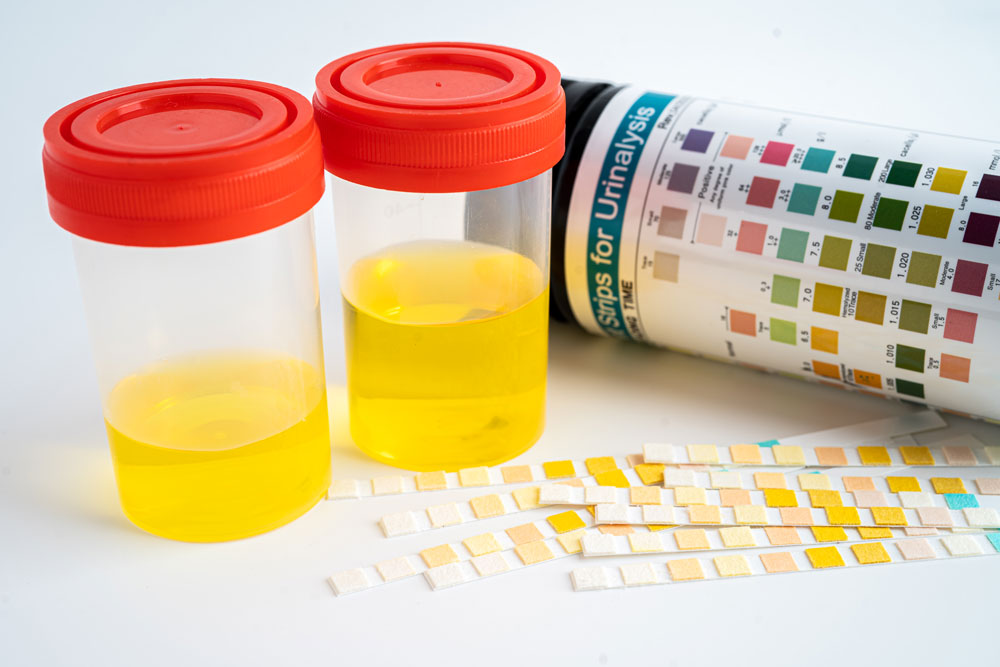
Urinary tract infections (UTIs) are a common health issue affecting millions, often causing discomfort and disruption to daily life. For those seeking convenience and accuracy, the at home urine culture test has emerged as a practical solution, allowing individuals to screen for infections in the comfort of their own home.
This guide explores the nature of UTIs, the different testing options available including at-home kits and the importance of timely and accurate results. By understanding testing methods and collaborating with healthcare professionals, individuals can achieve effective management and faster relief from UTIs, empowering them to take control of their urinary health.
Understanding Urinary Tract Infections (UTIs)
Urinary tract infections (UTIs) occur when bacteria enter the urinary system, leading to inflammation and infection. Although anyone can suffer from UTIs, certain groups are more susceptible. For instance, women are at higher risk due to their anatomical structure, while those with weakened immune systems or existing health conditions may also be more vulnerable.
If you are experiencing unusual discharge or odor, your doctor may prescribe bacterial vaginosis medication to restore the natural balance of vaginal bacteria.
Common Symptoms and Risk Factors
Symptoms typically include a strong, persistent urge to urinate, burning sensation during urination, cloudy or strong-smelling urine, and pelvic pain. Recognizing these symptoms early is key to preventing complications. Besides, lifestyle factors such as dehydration, sexual activity, and improper hygiene practices can elevate the risk of developing a UTI.
Importance of Timely Diagnosis and Treatment
Timely diagnosis and intervention are vital. Without prompt treatment, UTIs can escalate to more severe health issues like kidney infections. Hence, understanding the importance of accurate testing cannot be overstated: it serves as the first step to effective treatment and recovery.
Types of UTI Tests
When it comes to diagnosing UTIs, healthcare providers have several testing methods at their disposal.
Urine Dipstick Tests
Urine dipstick tests are often the first line of diagnosis. This quick test involves dipping a chemically treated strip into a urine sample. The results can indicate the presence of substances such as nitrates or white blood cells, which suggest infection. While advantageous for its speed, this method is not infallible: false positives and negatives can occur, and further testing may be warranted.
Urine Culture Tests
For a more definitive diagnosis, urine culture tests are commonly employed. In this process, urine is cultured in a lab to identify the specific bacteria causing the infection. This method not only confirms the presence of bacteria but also helps determine the appropriate antibiotic treatment. Though this test takes longer, typically 24 to 48 hours, it provides a clearer picture of the infection.
Molecular Tests and Advances in Technology
Emerging molecular testing methods, such as nucleic acid amplification tests (NAATs), are revolutionizing UTI diagnostics. These advanced tests can detect bacterial DNA, offering both speed and accuracy, often providing results within hours. By utilizing these technologies, healthcare providers can make informed treatment decisions more quickly.
Choosing the Right Test for Accurate Results
Selecting the appropriate testing method for UTI diagnosis is crucial. Several factors can influence the accuracy of test results.
Factors Influencing Test Accuracy
Factors such as test type, sample collection technique, and individual patient circumstances (e.g., hydration levels, recent antibiotic use) can all impact results. To maximize accuracy, patients should follow any pre-test instructions provided by their healthcare providers and ensure that samples are collected correctly.
Interpreting Test Results
Understanding test results can be complex. A healthcare provider will usually interpret results about clinical signs and symptoms, narrowing down the best course of action. Those with dipstick test results may require follow-up cultures to confirm the diagnosis, ensuring that no underlying conditions are missed.
The Role of Healthcare Professionals in UTI Management
Healthcare professionals play a critical role in managing UTIs through accurate diagnosis and appropriate treatment options.
When to Seek Medical Advice
Patients should consider seeking medical advice if they experience recurring UTI symptoms or notice a change in their usual symptoms. Professional assessment is essential to prevent complications and ensure the right tests are performed for accurate diagnosis.
Collaborating with Your Healthcare Provider for Best Outcomes
Collaboration with healthcare providers is important for achieving optimum outcomes in UTI management. Patients are encouraged to communicate openly about their symptoms, treatment responses, and any side effects of medications. This ongoing dialogue can lead to tailored treatment strategies that enhance recovery and reduce the risk of future occurrences.
Conclusion
Accurate UTI testing is essential for timely and effective management of urinary tract infections. By understanding the symptoms, testing options, and the importance of collaborating with healthcare professionals, patients can navigate their treatment pathways more effectively. With fast and reliable UTI tests now available, timely diagnosis and targeted treatment are within reach, enabling individuals to regain their health and quality of life.