
Screen Monitoring vs. Activity Monitoring: Which Approach Fits Modern Hybrid Teams?
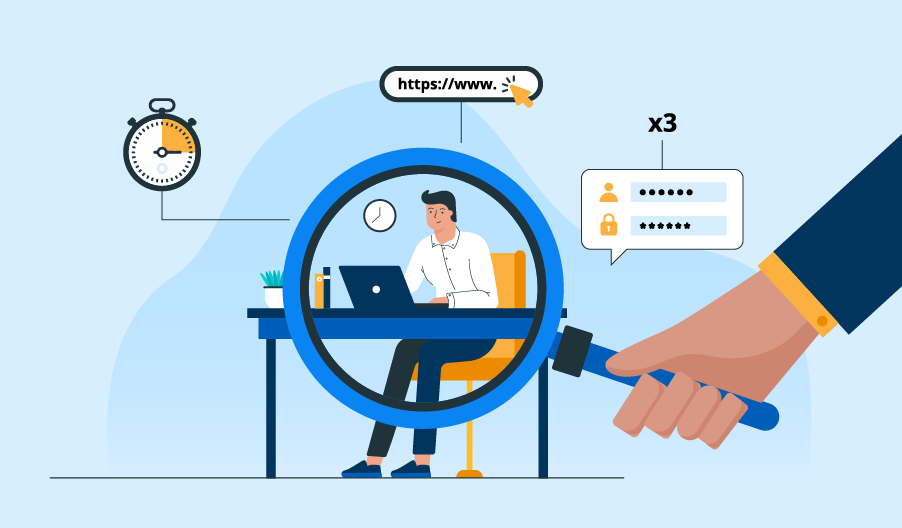
Employee monitoring software has become a foundational tool for managing remote and hybrid teams, but not all monitoring approaches are equally effective. As companies transition into long-term hybrid models, many leaders are trying to determine whether screen monitoring or activity monitoring is the better fit. Both methods offer valuable insights, but they differ significantly in terms of privacy impact, data reliability, employee psychology, and overall cultural effects.
The question is no longer whether monitoring is necessary — it clearly is for distributed teams — but which type of monitoring supports productivity without harming trust.
What Screen Monitoring Really Means in Today’s Workplace
Screen monitoring is one of the earliest and most visually intrusive forms of digital oversight. It mirrors the idea of a supervisor walking behind employees in a traditional office, except the “walk” happens through random screenshots, real-time screen viewing, or continuous screen recording. For industries with strict compliance requirements, such as finance, healthcare, or cybersecurity, this method is sometimes essential. It helps companies ensure that sensitive data is handled correctly and that security protocols are followed.
However, in hybrid work environments where employees perform vast portions of their tasks autonomously, screen monitoring often feels excessive. Even when used only during work hours, the act of capturing or streaming screens carries a strong psychological weight. Employees may feel watched, even if a manager rarely checks the recordings. This perception alone can create tension and reduce comfort, especially in creative roles or roles that require deep focus.
Screen monitoring can also unintentionally reduce experimentation. When employees know their screen is visible at all times, they may avoid researching new concepts, testing unfamiliar tools, or exploring approaches that might not immediately look “productive.” This limits innovation and signals a compliance-first culture rather than one rooted in trust and initiative.
How Activity Monitoring Works — and Why Hybrid Teams Prefer It
Activity monitoring operates in a fundamentally different way. Rather than showing what employees see on their screens, it tracks how they work: time spent on tasks, applications used, website categories visited, focus patterns, idle periods, and general productivity rhythms. Employee monitoring software gathers this behavioral data quietly and objectively, without exposing private messages, personal windows, or sensitive documents.
Hybrid teams tend to respond more positively to activity monitoring because it feels less invasive. It focuses on work patterns rather than visual surveillance. Instead of capturing every detail, it provides useful performance insights while maintaining a clear boundary between professional oversight and personal privacy.
Activity monitoring also aligns better with outcome-based management. Hybrid environments thrive when employees enjoy autonomy, flexible hours, and trust-based workflows. Activity data helps managers identify bottlenecks, uneven workload distribution, potential burnout, or inefficiencies — without making employees feel as though someone is looking over their shoulder.
Which Method Supports Long-Term Trust?
Trust is the defining factor in modern work culture. Screen monitoring often creates a sense of suspicion, even when used responsibly, because employees interpret it as a lack of confidence in their integrity. The emotional effect is similar to being recorded during every moment of work, regardless of context. Employees may wonder whether managers are judging their browsing or misinterpreting innocent actions.
Activity monitoring, by contrast, tends to strengthen trust when introduced transparently. Employees understand that organizations need metrics, but they appreciate when the metrics are collected without exposing personal content. When companies clearly explain what is tracked, what is not tracked, and how the information helps create fairer workloads or better planning, the monitoring becomes a support mechanism rather than a threat.
The difference lies not only in technology but also in perceived intent. Screen monitoring feels like “catching.” Activity monitoring feels like “understanding.”
The Productivity Perspective: Which Approach Actually Works Better?
From a strict productivity standpoint, activity monitoring proves more effective for hybrid teams. It captures patterns over time rather than isolated snapshots. Teams can analyze how much uninterrupted focus they get, which tools consume the most time, how meetings affect concentration cycles, or when workloads become uneven. This data helps companies redesign workflows and make smarter decisions about staffing, deadlines, and resource allocation.
Screen monitoring, on the other hand, may provide vivid evidence but often lacks context. Screenshots can show what is on the screen but cannot explain why. A real-time livestream might reveal someone on a non-work website, yet fail to show that the employee just completed an intensive task and needed a short mental break.
In hybrid environments — where boundaries between work and home can blur — context is essential. Activity data delivers it. Screen data rarely does.
What About Employee Morale?
Morale is where the two approaches diverge most dramatically. Screen monitoring tends to correlate with higher stress levels, especially when employees feel uncertain about how often screens are captured or who has access to the recordings. Even high performers feel uncomfortable when they know personal messages or sensitive windows could be accidentally recorded.
Activity monitoring generally produces healthier emotional responses. Employees see it as a system that measures results, not behavior. Many tools allow employees to view their own dashboards, giving them a sense of agency and control. Rather than being judged secretly, they feel supported openly.
In hybrid teams — where loneliness, distance, and communication challenges already exist — maintaining morale is essential. Overly intrusive monitoring can easily erode that stability.
The Hybrid Future: Which Approach Wins?
For the vast majority of hybrid teams, activity monitoring offers the most balanced, respectful, and effective approach. It provides the insights managers need without compromising privacy or psychological comfort. It aligns with modern work expectations that emphasize autonomy, flexibility, and outcome-based evaluation.
Screen monitoring will continue to play a role in highly regulated industries, but it is unlikely to become the norm for creative, technical, or administrative hybrid teams. Employees increasingly expect digital oversight to be fair, predictable, and focused on performance rather than surveillance.
The companies that win the future of hybrid work will be those that use employee monitoring software not as a microscope, but as a compass — a tool that guides teams forward, clarifies expectations, and builds a culture rooted in transparency and trust.