
Global Gaming Demographics 2025: How Many People Play Video Games Worldwide
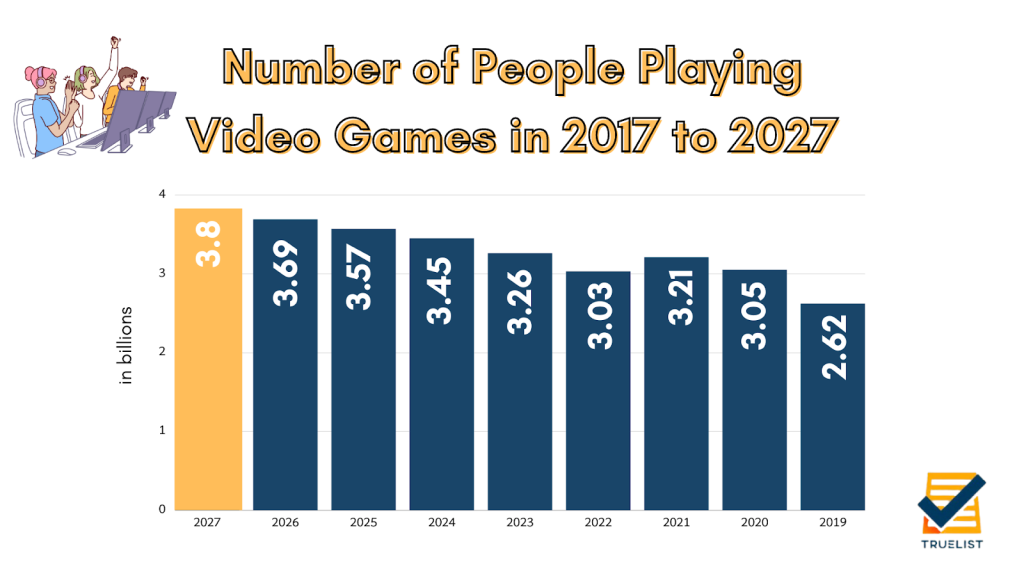
In 2025, video games have become one of the most widespread forms of entertainment, bringing together billions of people of different ages and backgrounds. Gaming has grown into a global industry that influences culture, the economy, and digital trends. Today, it is important to understand who plays video games and how this audience is changing. In this article, we will look at key demographic data, the most popular platforms, and the new trends shaping the market in 2025. This will help explain why gaming remains one of the most dynamic fields in the modern media landscape.
The Global Gaming Audience in 2025
In 2025, video games remain one of the biggest and fastest-growing forms of digital entertainment. Analysts estimate that the number of players worldwide has passed 3.4 billion, and this number keeps rising every year. Gaming is no longer a hobby for a small group of people — it is a huge industry that influences media, culture, and the global economy. Even specific topics such as cs2 predictions show how much interest there is in understanding gaming trends and how the industry evolves.
The gaming audience is becoming more diverse. It now includes not only teenagers but also adults, seniors, and players from different countries and social groups. People play on all kinds of devices — from mobile phones to PCs and consoles. Better internet access and rapid digital growth have turned gaming into a worldwide phenomenon. By 2025, gaming is not just entertainment but also a social space, a way to learn, communicate, and express yourself.
Demographic Groups: Age, Gender, Geography
Global data shows that the average gamer in 2025 is about 32 years old. This means that gaming has become a multi-generation activity: young people play, but so do those who first discovered games in the 1990s or early 2000s. Gen Z and Gen Alpha shape new trends, choosing online games, social platforms, and competitive esports. At the same time, millennials and even baby boomers continue to enjoy classic genres like strategies, simulators, and mobile games.
Gender balance has also changed. Women now make up more than 45% of all players, breaking old stereotypes about gaming being “for men.” Their presence is especially strong in mobile gaming, streaming, and indie game development. Geographically, the biggest gaming markets are Asia, North America, and Europe. But the fastest growth comes from Latin America, the Middle East, and Africa. These regions expand their gaming audiences thanks to affordable smartphones and wider access to 4G/5G networks.
Most Popular Platforms and Genres
In 2025, mobile devices remain the top gaming platform. Around 55–60% of all gamers choose smartphones because they are affordable, easy to use, and offer thousands of free games. The mobile market keeps growing as developers improve graphics, performance, and online features. PC gaming stays in second place, especially for fans of esports, strategy games, simulators, and shooters. Consoles still have a loyal audience, but their growth is limited because of high hardware prices.
As for genres, shooters, role-playing games, casual titles, battle royales, and sports games lead the market. Online games with large communities continue to dominate because players want social interaction, team play, and competition. Esports holds a strong position as well — titles like Counter-Strike 2, League of Legends, Dota 2, and Valorant attract millions of viewers to tournaments and livestreams. Interest in indie games is also rising, as players look for fresh ideas, creative stories, and unique game worlds.
Industry Economics and Future Trends

The economic side of gaming in 2025 is impressive: the global market is valued at over $200 billion. Revenue comes from game sales, in-game purchases, subscriptions, advertising, streaming, and esports events. Companies invest heavily in cloud gaming, which allows people to play demanding titles without powerful hardware. Subscription services are becoming more popular because they offer access to dozens of games for one monthly fee, changing the way people buy and play games.
In the coming years, the boundaries between platforms will continue to blur. Cloud gaming, cross-play, virtual worlds, and AI will create new kinds of experiences. Artificial intelligence is already helping developers build more realistic worlds and adjust difficulty to individual players. VR and AR still have strong potential, although their growth is slowed by cost and technology limits. Still, many analysts believe these technologies could become mainstream by 2030.
Conclusion
Global gaming demographics in 2025 show that video games have become a universal language for people of all ages, genders, and backgrounds. Gaming now unites billions of users and shapes new ways of interacting with digital content. Technology, mobile platforms, online services, and esports keep pushing the industry forward, opening space for innovation and new entertainment formats.
The number of gamers worldwide will continue to grow as new generations discover games and older players stay active. At the same time, the market is becoming more diverse, global, and technologically advanced. All of this makes gaming one of the most important digital industries of our time — one that influences culture, the economy, and everyday life around the world.