
What is a Handball Foul in Football? New Rules Football Fans Need to Know
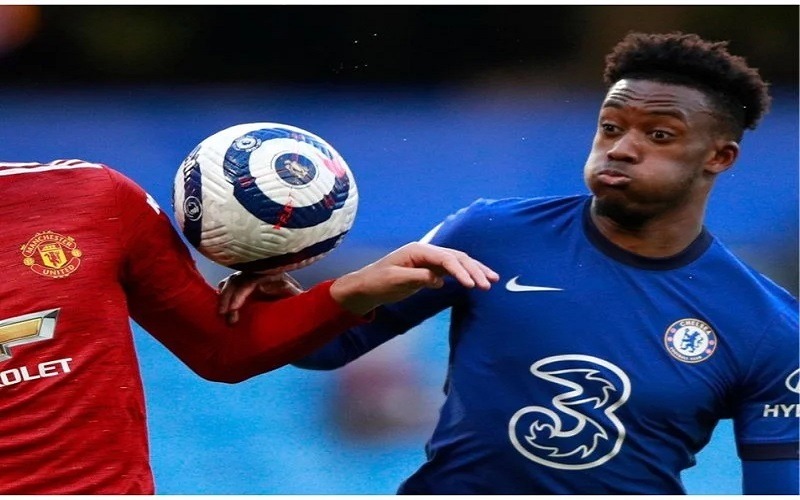
Handball fouls in football. Handball is always one of the most controversial situations on the pitch. Many goals are disallowed, or penalties are awarded simply because of a handball in the penalty area. It’s worth noting that the handball rule has changed considerably in recent years, sometimes leaving both players and fans confused. Let’s explore Xoilac link. Learn the details to avoid misunderstandings when watching football.
When is a handball considered a foul in football?
FIFA’s current rules clearly define what constitutes a foul, aiming to ensure fairness while avoiding unnecessary controversy.
The referee doesn’t always blow the whistle for a foul every time the ball touches a hand.
Having your hands in an unnatural position increases your body surface area.
One of the most important factors is whether the position of the arms makes the body appear “larger than normal.” If a player extends or raises their arms inappropriately and the ball touches them, the referee will usually blow the whistle for a foul. This applies especially in the penalty area, where even minor fouls can lead to a penalty.
Intentional or irrational touch
If a player intentionally uses their hand to block the ball or makes a clear reflex action to stop it, it is definitely a foul. Even if it’s unintentional, if the reflex action doesn’t seem natural, the referee can still penalize the player. This is the point that makes many situations controversial.
The handball directly led to a scoring opportunity.
If the ball touches a hand and immediately afterwards creates a clear goal or scoring opportunity, that situation will almost certainly result in a penalty.Handball foul in footballThe law aims to ensure that no unfair advantage arises from the use of hands, whether accidental or intentional.
Cases where a handball penalty is not issued.
Besides the penalty situations, the rules of football also clearly define cases where handball is not considered a foul. This helps to make the game more natural and reduces controversial decisions.
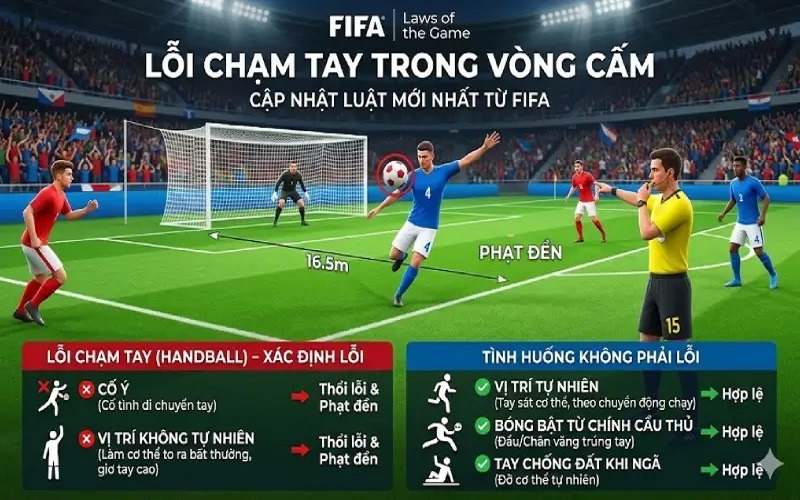
Not every collision between the ball and the hand results in a penalty.
The ball touches the hand when the hand is close to the body.
If a player’s hands are in a natural position, close to their body and not increasing their body surface area, then even if the ball touches them, a foul is usually not called. This is a common situation in high-speed challenges.
The ball touched the hand in a situation where there was no time to react.
When the ball bounces too quickly from a short distance and the player doesn’t have time to react, the referee usually considers it unintentional. These types of plays are often judged as “unintentional” and therefore not penalized.
Hands provide natural support for balance.
In some challenges, players need to use their hands to maintain balance. If the ball accidentally touches the hand in this situation and it doesn’t create an advantage, the referee will usually ignore it. This is what makes the rule more reasonable in actual play.
The role of VAR in handling handball errors in football.
The introduction of VAR has completely changed how handball situations are handled in modern football. Referees no longer have to rely solely on direct observation but can review multiple camera angles to make more accurate decisions.
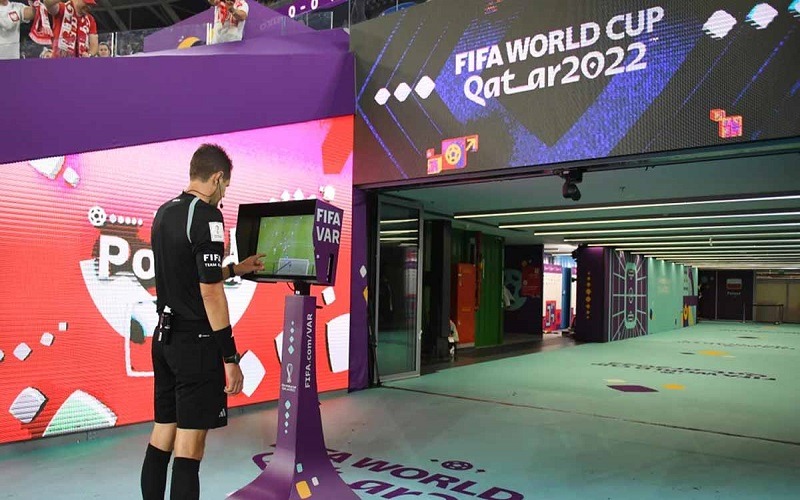
VAR helps reduce errors but also leads to more controversy.
Review each camera angle to determine the intended message.
VAR allows referees to carefully analyze each frame to determine if a player intentionally used their hand. This helps to reduce incorrect decisions, especially in situations that unfold very quickly.
Determine distance and reflection.
One important factor when using VAR is the distance between the ball and the player. If the ball is traveling too fast at close range, VAR will help the referee assess whether the player had enough time to avoid it.
Controversial due to its “level of subjectivity”
Despite technological assistance, determining whether a foul is “natural or unnatural” still relies on the referee’s subjective judgment. Therefore, many situations remain controversial among players, coaches, and fans.
The impact of handball fouls on match outcomes
A handball can completely change the course of a match, especially in big games or knockout rounds. Just one penalty decision can lead to a goal or alter the tactics of both teams.
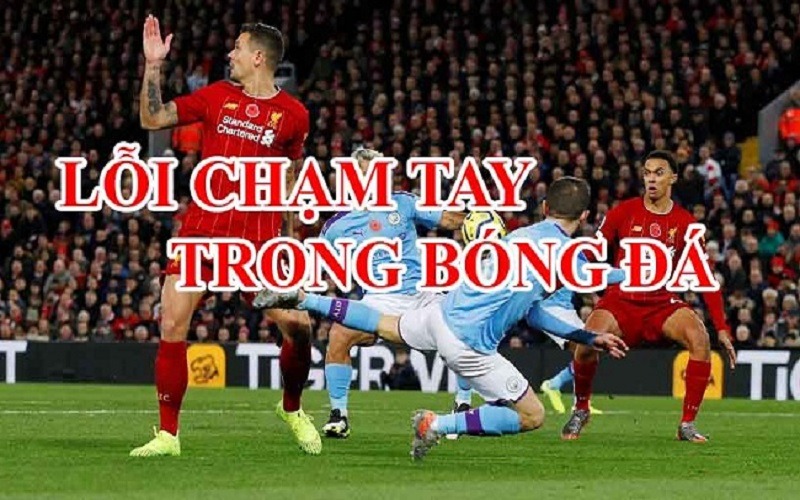
Handball is one of the most serious fouls in modern football.
The penalty decision changed the course of the game.
In many matches, penalties resulting from handballs have been crucial turning points, leading to goals. This has forced teams to play more cautiously in the penalty area.
The players’ morale was affected.
After a foul is called, players often become more cautious in challenges. This directly affects the team’s defensive and ball-handling skills.
Creating post-match debate
Numerous major matches have become the subject of debate simply because of a handball incident. Fans, experts, and the media often have differing opinions, making this rule a constant hot topic.
Conclude
Handball fouls in football. This is one of the most complex and controversial regulations today, as it depends more on the specific situation than on a rigid rule. Understanding the rules correctly will help viewers follow the match more objectively, while avoiding unnecessary arguments when watching football online. Xoilaclink, as well as quick updates kết quả bóng đá hôm nay and the latest developments from the world’s top leagues.