
The Rise of Interactive Entertainment Through Video Games and Streaming
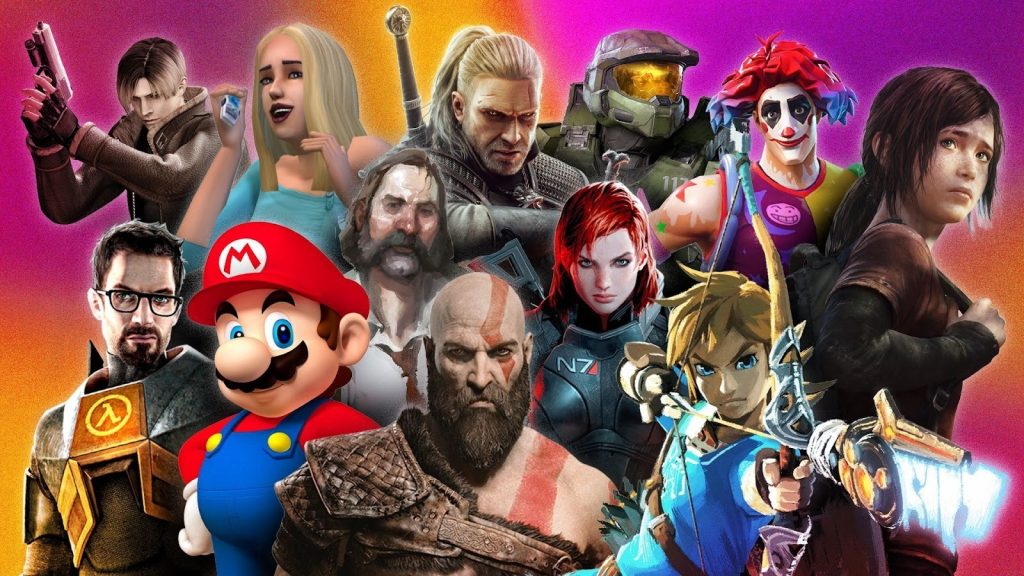
Interactive entertainment has undergone a dramatic transformation over the past decade, driven largely by the rapid growth of video games and live streaming platforms. What once existed as a niche hobby limited to enthusiasts has evolved into a global cultural phenomenon with mainstream recognition. Today, millions of players and viewers around the world connect in real time through digital platforms, forming shared experiences that transcend borders. Modern audiences no longer consume content passively, as they did with traditional television or cinema; instead, they actively participate, interact, and influence the entertainment they experience. This shift has redefined how stories are told, how communities form, and how digital experiences are monetized, placing video games and streaming at the very center of a new era of interactive media.
Video Games as the Foundation of Interactive Entertainment
Video games have become the cornerstone of interactive entertainment by offering players a sense of agency, immersion, and emotional involvement that traditional media formats cannot replicate. Unlike films or television shows, where the narrative unfolds in a fixed way, games allow users to influence outcomes through their decisions, skills, and creativity. Players are no longer observers but active participants whose choices shape the experience. This fundamental difference has significantly increased player engagement and long-term interest across a wide range of audiences.
The depth of interactivity has fueled the popularity of diverse gaming genres, from highly competitive esports titles and expansive open-world adventures to deeply personal, narrative-driven indie games. Each genre leverages interactivity in its own way, appealing to different motivations such as competition, exploration, or storytelling. As a result, video games have grown into a versatile medium capable of delivering entertainment, artistic expression, and even social commentary within a single interactive framework.
The gaming industry’s rapid expansion is also supported by constant technological advancement. High-performance hardware, advanced physics systems, realistic graphics engines, and sophisticated artificial intelligence have dramatically expanded what developers can achieve. These innovations allow games to deliver cinematic visuals, responsive worlds, and believable characters. As a result, modern games increasingly blur the line between entertainment and social platforms, encouraging cooperation, competition, and communication. Industry discussions and coverage published on platforms such as EGW news highlight how gaming trends, esports events, and technological innovations collectively drive the evolution of interactive entertainment, reinforcing the importance of video games in the broader digital ecosystem. At the same time, these developments influence how audiences connect, socialize, and build digital identities within virtual environments.
The Streaming Revolution and Real-Time Engagement
Streaming platforms have fundamentally changed how audiences interact with video game content by introducing real-time engagement as a core feature of entertainment. Services like Twitch, YouTube Gaming, and Kick enable creators to broadcast gameplay live while communicating directly with viewers through chat, reactions, polls, and interactive overlays. This immediate feedback loop transforms spectators into participants, creating a dynamic environment where content evolves in response to audience input rather than following a predetermined script.
This real-time interaction makes entertainment a shared experience rather than a one-way broadcast. Viewers feel emotionally invested not only in the game itself but also in the streamer’s reactions, decisions, and personality. Live streaming turns gameplay into a social event, where moments are experienced collectively and amplified through instant discussion. As a result, streaming has become a powerful extension of interactive entertainment rather than a separate form of media.
The rise of streaming has also created entirely new forms of digital careers and professional opportunities. Streamers, content creators, and esports personalities now build recognizable brands around their online presence, often reaching audiences comparable to traditional celebrities. They attract sponsorships, partnerships, and loyal fan communities that support them financially and socially. Viewers tune in not only for gameplay but also for commentary, humor, and authentic interaction. Coverage found in modern gaming news frequently emphasizes how streaming platforms influence game popularity, marketing strategies, and community growth, underlining their central role in shaping contemporary interactive entertainment. This impact extends beyond promotion, as streaming increasingly affects game design decisions and the way developers engage with their audiences.
Community Building and Social Interaction
One of the most significant and lasting impacts of video games and streaming is the creation of large-scale global communities. Online multiplayer games connect players across continents, enabling them to collaborate or compete regardless of physical location. These shared experiences foster friendships, rivalries, and long-term social bonds that often extend beyond the game itself. For many players, gaming communities become an important part of their social lives.
Streaming platforms further strengthen these connections by providing spaces where fans gather around shared interests and favorite creators. Live chats, community servers, and subscriber-only features allow audiences to interact with one another as well as with the streamer. These environments create a sense of belonging and identity, where users feel recognized and valued as part of a larger group rather than isolated consumers.
These communities thrive on constant interaction and participation. Viewers influence live streams through donations, subscriptions, votes, and chat engagement, while players collaborate or compete in real time within games. Social features such as voice chat, guilds, clans, and in-game events enhance the feeling of immersion and collective involvement. As a result, interactive entertainment has become a deeply social experience, where communication, collaboration, and shared emotion are just as important as the content itself.
Economic Impact and New Business Models
The rise of interactive entertainment has significantly reshaped the global digital economy. Video games now generate billions of dollars annually through a combination of game sales, in-game purchases, battle passes, subscriptions, and downloadable content. This diversified revenue structure allows developers to support games long after launch while continuously engaging players with new content and experiences.
Streaming platforms add another economic layer by enabling monetization through advertising, paid memberships, donations, and brand partnerships. This ecosystem supports not only major companies but also independent creators, allowing individuals to turn interactive entertainment into a sustainable profession. The financial success of streaming has encouraged further investment in platform development and creator tools.
Developers and publishers increasingly design games with streaming in mind, incorporating spectator-friendly features, integrated chat systems, and interactive elements that appeal to viewers as well as players. Esports tournaments, sponsored streams, and influencer collaborations represent revenue streams that barely existed a decade ago. This interconnected ecosystem benefits players, creators, advertisers, and companies alike, reinforcing the long-term sustainability and commercial viability of interactive entertainment.
The Future of Interactive Entertainment
Looking ahead, the future of interactive entertainment appears even more immersive, accessible, and interconnected. Emerging technologies such as virtual reality, augmented reality, and cloud gaming promise to deepen player engagement by removing physical and technical barriers. These innovations allow users to access high-quality experiences from almost any device while increasing immersion and realism.
Streaming platforms are also experimenting with advanced interactivity, enabling viewers to directly influence gameplay, vote on decisions, or alter narrative outcomes in real time. This convergence of gaming and streaming suggests a future where entertainment is increasingly shaped by collective participation. As video games and streaming continue to evolve together, the boundary between creator and audience will further dissolve.
Interactive entertainment is also likely to expand beyond traditional screens, integrating into social media, education, virtual events, and even professional environments. Games and interactive platforms may become tools for learning, collaboration, and communication. This ongoing evolution ensures that video games and streaming will remain at the forefront of digital culture for many years to come.
Conclusion
The rise of interactive entertainment through video games and streaming represents a fundamental shift in how people experience digital media. By combining player agency, real-time interaction, and global connectivity, these platforms have transformed entertainment into a participatory and socially driven experience. Video games provide immersive worlds and meaningful choices, while streaming amplifies engagement through live communication and community involvement. Together, they define a new era where audiences are no longer passive consumers but active contributors. In my view, this transformation is not a temporary trend, but a lasting change that will continue to shape digital culture and entertainment in the future.