
The Arcanist’s Bankroll: A History of Occult and Esoteric Gambling Systems
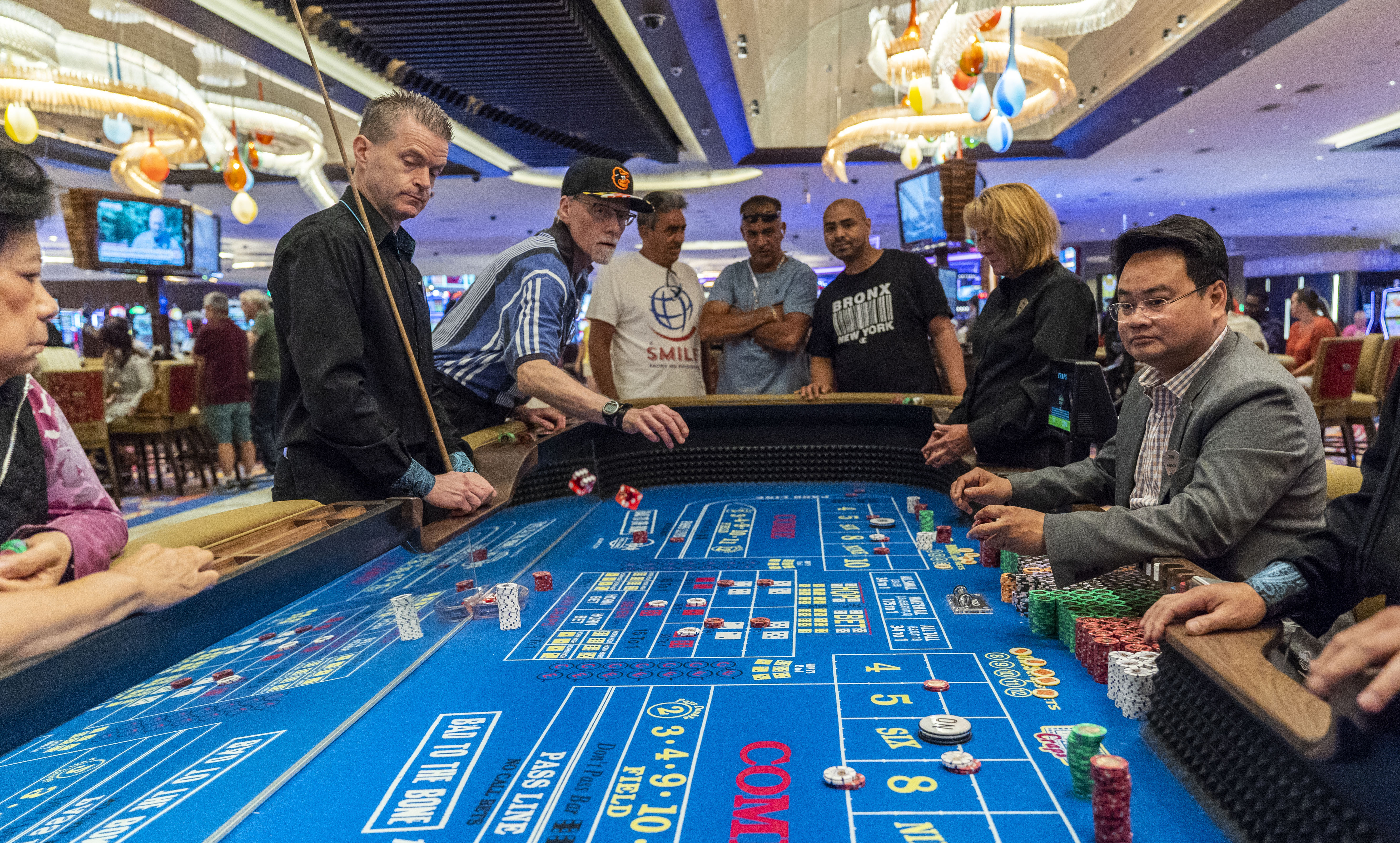
For as long as humans have rolled dice and placed wagers, we have sought an edge at our favourite casino online. Some count cards or study statistics. But others have looked to a different, darker source of power: the occult. This is the strange and shadowy history of those who believed the secrets of fortune were written not in probability, but in the stars, in ancient symbols, and in pacts with unseen forces.
The idea is seductive. What if luck isn’t random? What if it’s a current that can be channelled, a spirit that can be bargained with, or a code written into the fabric of reality? This quest has driven gamblers from smoky backrooms to the pages of crumbling grimoires, forever chasing the ultimate system… one guaranteed by powers beyond our understanding.
The Early Gamblers and Their Gods
Long before probability was a branch of mathematics, it was a whisper from the divine.
Dice, Divination, and Divine Will
In ancient times, games of chance were deeply intertwined with ritual. The roll of astragali (animal knucklebones, early dice) wasn’t just play; it was a method of divination, a way to discern the will of the gods. A gambler in Rome might make an offering to Fortuna, the goddess of chance, before a crucial throw. It was a transactional relationship with a cosmic power. Success wasn’t about beating the odds; it was about securing divine favour. The “system” was one of prayer, sacrifice, and ritual purity. You couldn’t control the dice, but you might influence the entity controlling them.
The Renaissance Magus at the Card Table
The Enlightenment brought mathematics to the gambling table, but the esoteric minds of the era saw more. The Renaissance was a fever dream of rediscovered knowledge, like alchemy, Hermetic philosophy, and Kabbalah. To a learned magus, the world was a web of hidden connections and correspondences. Why should cards or dice be exempt?
This period saw the birth of systems that linked gambling to numerology and astrology. The 36 squares of a roulette wheel? It was a repetition of the 36 decans of the zodiac, which, according to some, were controlled by a particular power of the heavens. Elemental forces had been assigned to the cards’ suit, with Cups representing Water and emotion, Swords representing Air and intellect, Coins representing Earth and material gain, and Batons representing Fire and energy.
A real Arcanist would not simply play a hand, but read it, and reckon not only the odds which could be observed, but also the numerological weight of the cards in action which were not visible. Or he could gamble only at a certain planetary hour, when Jupiter (the Greater Benefic, planet of expansion and good fortune) was rising, because he thought that the influence of the heavens could turn the material world to his advantage. The game became a ritual performed on a felt altar.
The Modern Grift and the Psychological Edge
The 19th and 20th centuries saw the fusion of old occult ideas with new forms of mass marketing and psychological understanding. This is where the history takes a decidedly darker, and often more fraudulent, turn.
The Systems Sellers and Cosmic Guarantees
The rise of pulp printing and mail-order catalogues created a boom for “guaranteed” gambling systems, many dressed in occult language. Manuscripts promised “The Kabbalistic Key to Roulette” or “The Rosicrucian Method for Dominating Faro.” These were often complex numerological formulas. They required the player to track previous outcomes in elaborate tables, searching for mystical patterns in the chaos. They were sold for exorbitant sums, preying on desperation.
While most were nonsense, their impact cannot be dismissed. Following a complex, ritualized “system” (no matter its source) can create a powerful sense of control for the gambler. It replaces the agony of random choice with the comfort of procedure. In this sense, the occult system acted as a potent placebo, bolstering the user’s confidence, which could, in very short bursts, project a more formidable table image in games like poker.